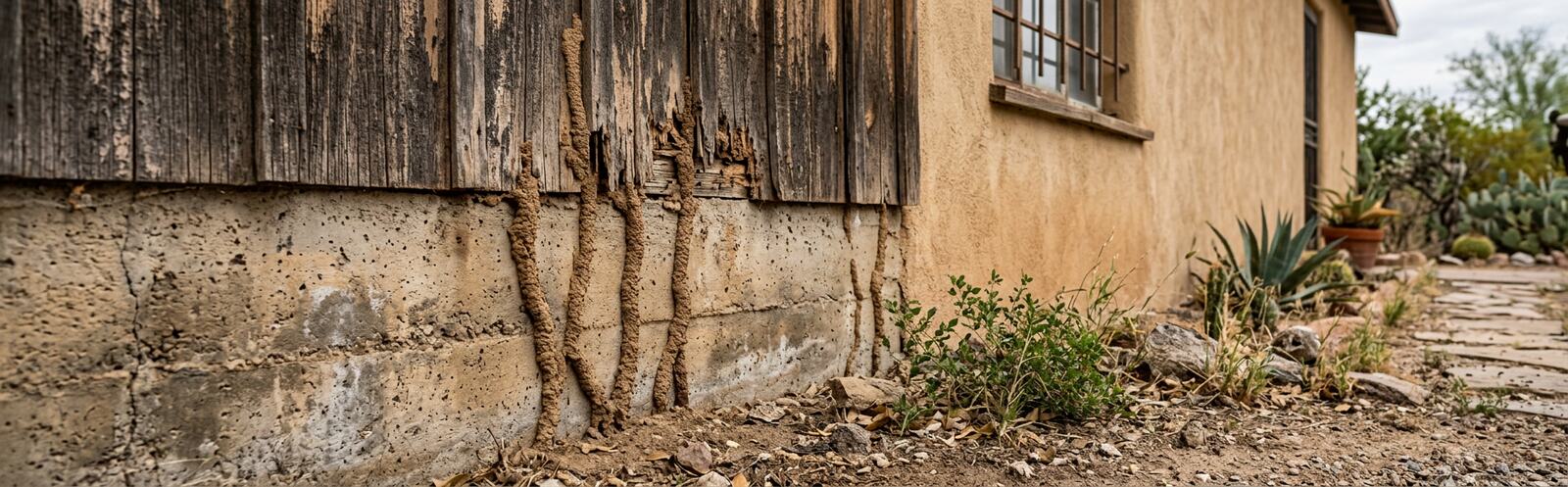
Termite Control & Inspections in El Paso, TX
Subterranean and drywood termites treated across El Paso and the Valley. Inspections, liquid barriers, bait systems, and real estate WDI reports.
Tap To CallTermites in El Paso — What You're Dealing With
The Chihuahuan Desert climate combined with residential irrigation creates year-round termite pressure across the El Paso Valley. Two species do most of the damage here — and they require different treatment approaches.
Subterranean Termites
Drywood Termites
Signs of Termites in Your El Paso Home
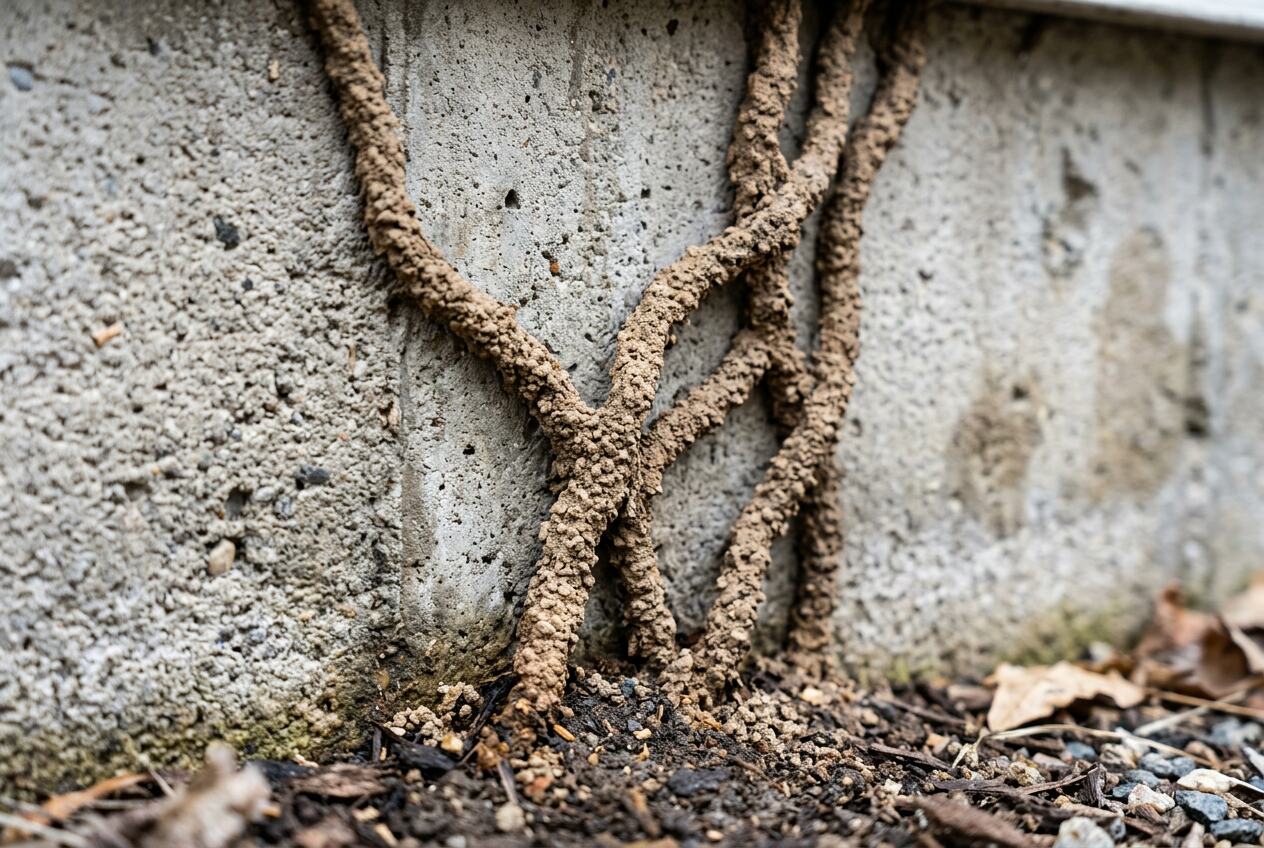
- ✓Mud tubes along foundation walls or interior framing
- ✓Wood that sounds hollow when tapped
- ✓Blistered or cracked paint in a pattern
- ✓Small piles of discarded wings near windows and doors
- ✓Frass (fine sawdust) near wooden surfaces
- ✓Soft spots in flooring or wood trim
A $1,500 treatment now saves $15,000 in structural repair later. If you see any of these signs, call.
Termite Treatment Options for El Paso Homes
Liquid Barrier Treatments
Termiticide injected into the soil around the foundation. Creates a chemical zone termites can't cross. The most common subterranean termite treatment in El Paso.
Bait Systems
Monitoring stations placed around the property. When termites hit them, they take bait back to the colony. Long-term monitoring and colony elimination.
Drywood Spot Treatments
Targeted treatment for localized drywood termite infestations. For whole-structure drywood infestations, fumigation may be needed.
Termite Inspection for El Paso Homes
A termite inspection covers your home's perimeter, foundation, accessible crawlspace, attic framing, and visible wood members inside the home. The technician looks for active mud tubes, prior damage, swarmer wings, and moisture conditions that invite termites.
Inspections take 45 to 90 minutes depending on home size and accessibility. You'll get a written summary of findings and a clear treatment quote if anything's needed.
Annual inspections are a good idea for older El Paso homes and any property with prior termite history.
Schedule An Inspection
Call to set a time. Real person answers — no call centers.
Termite Inspections for El Paso Real Estate Transactions
Lenders require Wood-Destroying Insect (WDI) reports for many El Paso home sales — especially VA loans and certain conventional underwriting. The report documents whether active or prior termite activity is present, along with conducive conditions that may need to be addressed.
We turn WDI reports around in 24 to 48 hours when closing deadlines are tight. Reports are filed on the standard Texas form your lender or title company is expecting.
Buying or selling in El Paso, Clint, San Elizario, Fabens, Vinton, or Canutillo? Call to schedule.
Termite Treatment Pricing in El Paso
Typical El Paso Pricing
Pricing depends on home size, foundation type (slab vs raised), linear footage of treatment, and severity. Confirmed in writing after inspection.
How Termite Treatment Works
Inspect
Full perimeter and interior inspection. Identify species and severity.
Quote
Written treatment plan and price — no surprise charges.
Treat
Liquid barrier, bait system, or spot treatment depending on findings.
Monitor
Annual re-inspection keeps the treatment performing long-term.