Monsoon Season Pests in El Paso
Every summer El Paso waits for the monsoon like it's a holiday. Clouds stack up over the Franklins in the afternoon, the wind picks up, the smell of wet creosote rolls in, and then it pours. Roughly July through September, it cools things off and fills the arroyos. It also turns the bug world upside down.
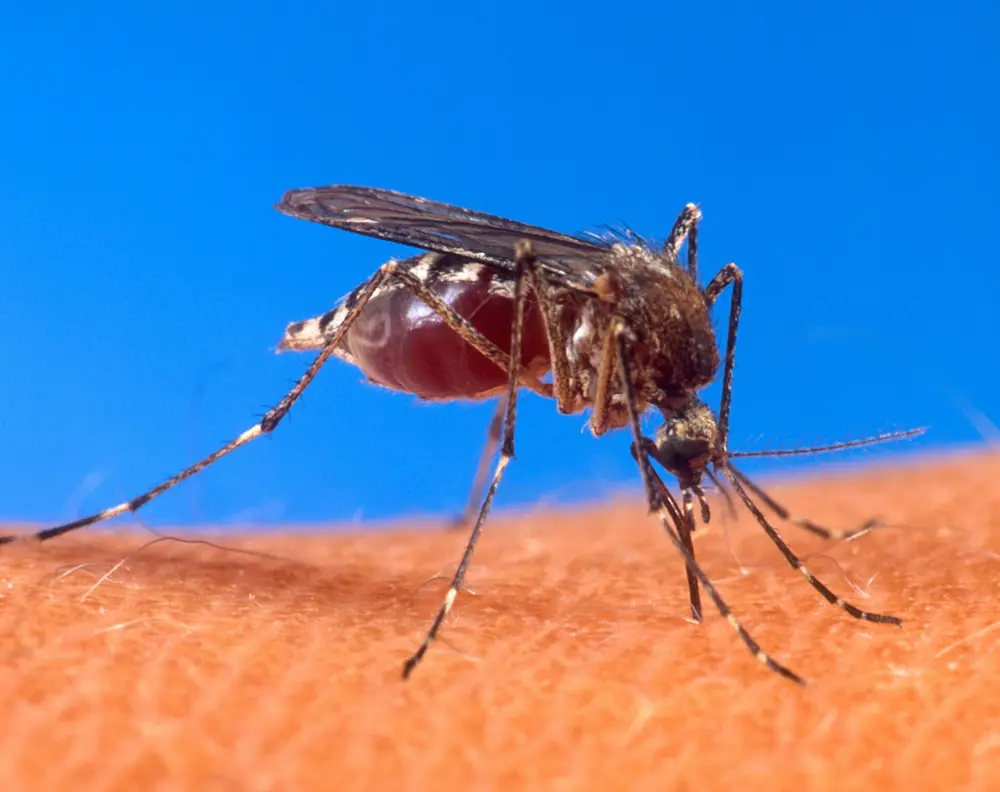
Heavy rain floods the burrows, wall cracks and storm drains where pests spend the dry months. Scorpions, roaches, crickets and ants all head for dry ground, and your patio, garage and kitchen are dry ground. Then the standing water left behind gives mosquitoes a place to breed. The first big storm of the season is usually the worst, because one heavy rain flushes out months' worth of bugs at once. Plenty of people say that first week is the busiest of the year.
The week after the first big storm
Scorpions get flushed out of rock beds and wall cracks right as the crickets they eat come out in force. Check tubs, shoes and the garage floor for a week or two after a big storm. If the sightings stay high, scorpion control after monsoon storms can treat and seal.
American roaches ride the flooded sewer lines up to floor drains, cleanouts and garages, especially on flat ground near the river. A perimeter roach treatment around drains and meter boxes cuts down the burst, though you'll probably still see a few for a day or two after heavy rain. Keep drain covers in place.
Warm, humid days after rain can also set off termite swarms. Winged termites pour out of a slab crack or window frame, fly a short way and drop their wings, and a pile of wings on the sill is the clue most people get. Swarmers don't chew wood themselves, but they tell you a colony is close. Save a few in a zip bag and have a termite company inspect the slab edge, garage and plumbing areas.
Standing water in the canales and the valley
The City of El Paso Department of Public Health tracks West Nile virus each summer, and their advice is simple: use repellent with DEET outdoors, wear long sleeves at dusk and dawn, and tip and toss standing water. Flat-roof homes deserve a look. Clogged canales and roof drains can hold water for days after a storm, so clear them before the season starts. If the bites keep up, ask about yard mosquito control through the monsoon.
The valley feels it most. Irrigated lots and canals in the Upper Valley along Doniphan Dr. hold water long after a storm passes. Flat ground in the Lower Valley around Ysleta and Riverside drains slowly, which means more mosquitoes and more roaches out of the drains. Low fields and canals around Socorro hold standing water, and homes next to them see mosquitoes at dusk within days.
A June checklist before the clouds build
June is the time to get ready, while it's hot and dry and nothing's happening yet. If you're on a pest plan, ask about timing a visit right before the rains start. Then work through this list:
- Seal gaps under doors and replace worn garage door seals
- Clean out gutters, canales and roof drains
- Clear leaves and dead plants out of the rock beds
- Empty and put away buckets, pots and toys that hold water
- Check swamp cooler drains and overflow lines
Questions We Get
Should I treat before the monsoon or after?
A lot of people do both: a visit before the storms start, and another if activity picks up after. The tech can suggest timing.
Why are roaches coming out of my floor drain after it rains?
Storms flood the sewer and storm drain lines where American roaches live, and they climb out looking for dry ground.