Rodent Control in El Paso
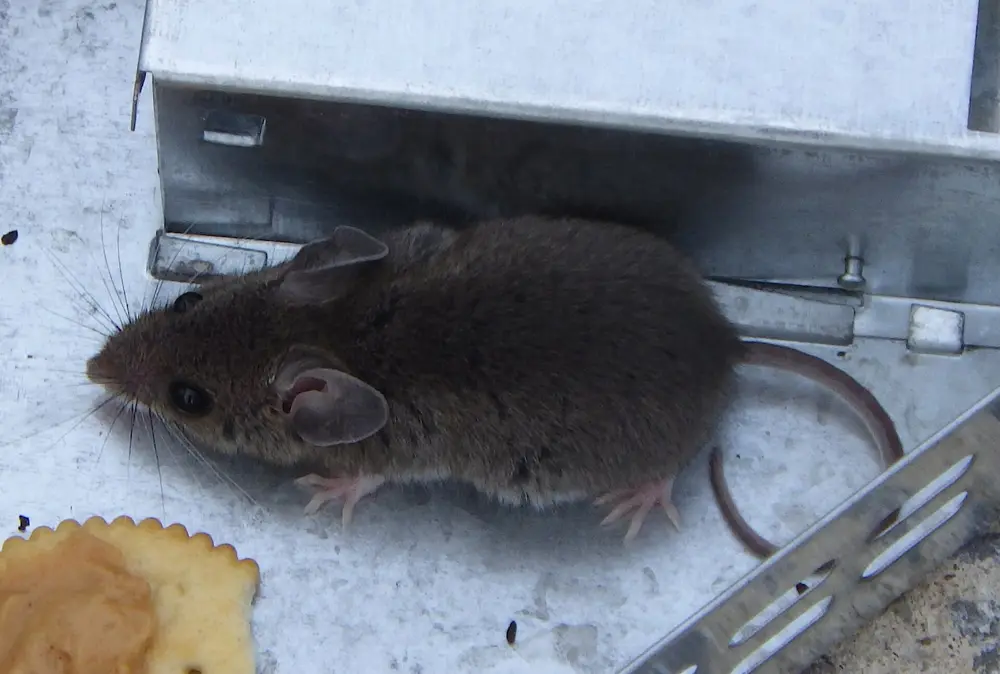
El Paso has two kinds of rodent trouble. The city kind is house mice and Norway rats in garages, pantries and attics. The desert kind is pack rats, which build big stick piles along block walls and under sheds in yards next to open land, and which have strong opinions about the wiring in your truck.
Both get serious about moving in once the nights cool off in October. Your attic, your garage and the warm engine of the car parked in the driveway all look pretty good from where they're standing.
Droppings, scratching and chewed wires: the usual clues
Most people hear them before they see them. Scratching over the bedroom ceiling at 2 a.m. is a classic. Other giveaways:
- Droppings in drawers, on pantry shelves or along the garage wall
- Chewed wires or a nest under the hood of a car
- Stick and cactus piles along walls or under sheds (pack rats)
- Dark grease marks along baseboards where they run
- Gnawed cereal boxes or holes in the dog food bag
Cooler ducts, garage seals and the gaps they use
A mouse fits through a gap about the width of a pencil, and El Paso houses offer plenty. The usual suspects are the gaps around swamp cooler ducts and roof penetrations, garage doors with worn seals, cracks at the base of the stucco, utility lines going into the wall, and pecan or fruit tree branches that rest on the roof and work like a bridge.
A proper rodent job has three parts: find the runways and entry points, catch the ones inside, and close the holes. The tech walks the roofline, cooler, garage door and the base of the walls looking for gnaw marks and rub marks, then checks the garage, pantry, under the sinks, the water heater closet and the attic if there's access. They set traps or locked, tamper-resistant bait stations and seal gaps with hardware cloth, metal flashing or sealant. Plan on a follow-up visit or two. Honestly, the sealing is what makes it stick. Skip it and new mice just move into the old ones' spot.
Where you live changes the rodent. Fields around Socorro send field mice toward houses every harvest. Pecan orchards in Canutillo and along Doniphan Dr. bring mice and rats when the nuts drop, and the barns of the Upper Valley have their own crowd. Homes next to open desert, from the Northeast foothills out to the mesa east of Loop 375, get more pack rats, and their nests shelter scorpions too, so scorpion treatment along the walls often goes with the cleanup.
Cleaning up droppings without making yourself sick
Don't sweep or vacuum dry droppings. That kicks up dust you don't want to breathe, and deer mice in the Southwest can carry hantavirus. Put on gloves, soak the droppings and nesting stuff with disinfectant, let it sit, then wipe it up with paper towels and bag it.
Loose poison should never be scattered around a house. It puts kids, pets and the neighbor's cat at risk, and a poisoned mouse in the wall makes its own kind of problem. Bait belongs in locked, tamper-resistant stations placed by a licensed tech. Ask whether they plan to use traps, stations or both, and where they'll put them. Gnawed wood near a damp wall can also hide termite damage, so a termite check while they're in the attic isn't a bad idea. The desert pest guide has more on pack rats.
Questions We Get
What exactly is a pack rat?
A native desert rodent, also called a woodrat. They build big nests out of sticks, cactus pieces and whatever else they find, usually in yards that border open desert.
Why do rats keep chewing my car wires?
Engine bays are warm and sheltered, and some wire coatings seem to invite chewing. Cars parked outside near brush or open lots get hit the most.
Will the mice come back after they're trapped?
They will if the gaps stay open. That's why sealing is part of the job. A small mouse problem can clear up in a couple of weeks once the holes are closed.
Serving West El Paso, Upper Valley, Northeast El Paso, East El Paso, Lower Valley, Horizon City, Socorro, San Elizario, Canutillo, Sunland Park, NM.