Termite Control in El Paso
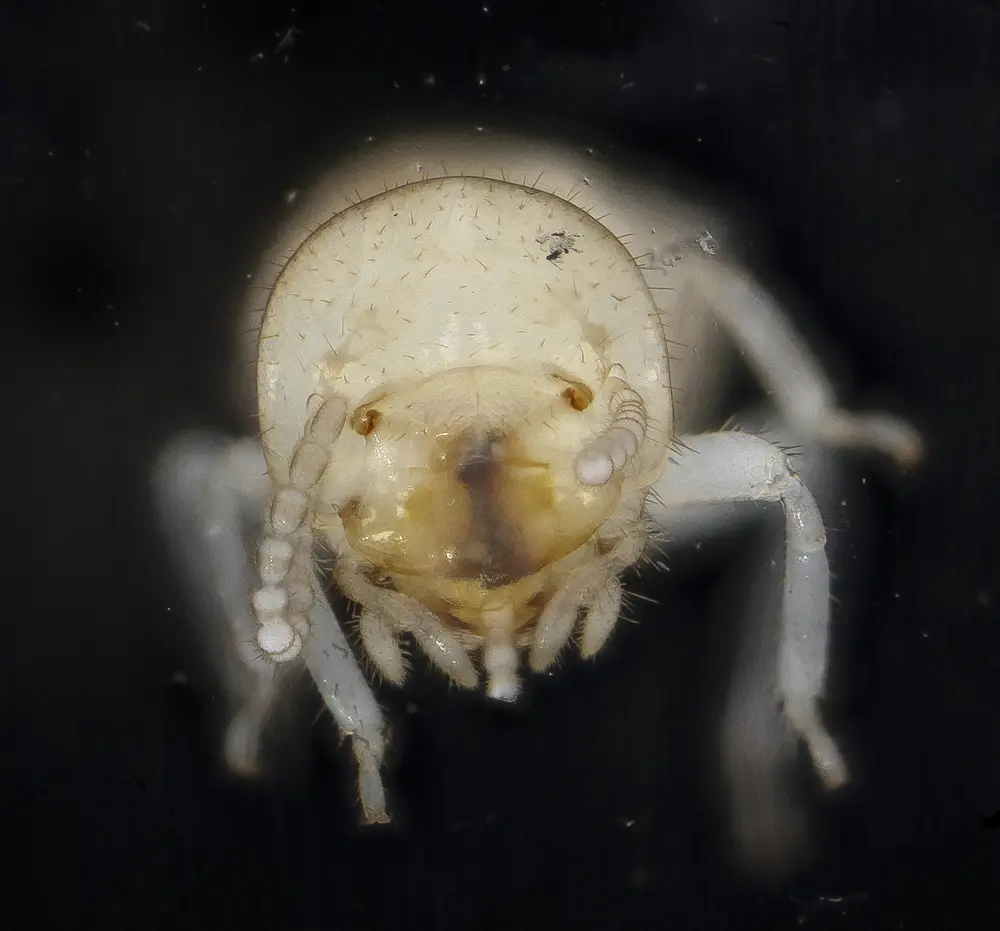
Termites in the desert? Yes. People are always surprised. Subterranean termites live in the soil here, and Texas A&M AgriLife has collected them right out in the El Paso desert. They aren't out there sunbathing, though. They need moisture to live, so they build mud tubes to travel from damp soil up into the wood of your house without drying out.
In El Paso, that moisture usually comes from us. Flood irrigation in the valley, a swamp cooler line that's been dripping down the wall for three summers, a drip emitter aimed at the slab, a slow leak under the bathroom. Fix the water and you've done half the work before anybody shows up with a drill.
Mud tubes, wings and soft trim: what to look for
Termites don't announce themselves. Most people find them by accident, usually while doing something else in the garage. These are the usual clues:
- Pencil-width mud tubes on the slab edge, stem wall or garage wall
- A swarm of winged bugs at a window, often on a warm spring day
- Piles of tiny dropped wings on window sills
- Baseboards or door trim that sound hollow when you tap them
- Bubbling or rippled paint near the floor
- Doors that suddenly start sticking
Slab homes still get them through the cracks
Most El Paso homes sit on concrete slabs. Termites can't chew concrete, but they don't have to. They come up through expansion joints, cracks, plumbing penetrations and the spot where stucco or foam trim runs below the soil line. Wood fences, posts and planters touching the house give them a bridge.
Homes in the flood-irrigated Upper Valley sit on damper soil, which lets termites work close to the surface. Older homes along the canals in the Lower Valley near Ysleta add adobe walls, wood lintels and old floor framing to the mix. Up on the mesa, termites mostly show up where a leak or a cooler line keeps one spot wet.
Inspection, treatment and adobe walls
An inspection starts outside. The tech walks the slab edge and stem wall looking for tubes, checks where the stucco meets the dirt, and looks at fences and planters against the house. Inside, they go through the garage, baseboards, door frames and the spots where plumbing comes up through the slab. In older adobe homes they'll look at the vigas, lintels and floor framing, and expect some tapping and probing.
Historic homes near the San Elizario Chapel and along the Mission Trail need a slow, careful look, since damage can hide inside thick walls. If you're in San Elizario's historic district, mention the age of the house when you call.
If they find activity, the company lays out the options. Most offer a liquid soil treatment around the foundation, a bait system with stations in the ground, or some mix, and the right pick depends on the soil, the house and where the termites are. Price and any warranty come after the inspection, so ask how long the warranty runs and what follow-up checks it includes. Buying or selling? Ask whether they write wood destroying insect reports.
What you can fix this weekend
Fix the plumbing leak and the dripping cooler line. Turn drip emitters away from the slab. Move firewood, lumber and wood planters off the walls. Keep soil and mulch below the top of the slab so the edge stays visible, because a mud tube you can see is a mud tube you can catch. If you find swarmers, put a few in a zip bag for the tech.
The damp spots that draw termites draw other things too. If you're seeing ants and roaches in the same corner, a general pest service can cover them, and if the tech spots gnawed wood or droppings in the garage, ask about rodent control while they're there. Swarms often follow warm, humid days after rain, which the monsoon season guide explains.
Questions We Get
When do termites swarm in El Paso?
Usually on warm days in spring, sometimes after rain. Swarmers inside the house mean a colony is close by.
Do I have to move out for termite treatment?
Usually not. Most liquid and bait work happens outside around the foundation. The company will tell you if any rooms need clearing.
Are termites worse in the valley?
Damp soil helps them, so homes near ditches and flood-watered yards see more. Mesa homes still get them, usually near a leak or cooler line.
Serving West El Paso, Upper Valley, Northeast El Paso, East El Paso, Lower Valley, Horizon City, Socorro, San Elizario, Canutillo, Sunland Park, NM.